
Our Priorities
We are dedicated to realizing the full potential of Alberta’s abundant natural resources by expanding and diversifying Alberta’s resource manufacturing industries.
Through our unique partnership of industry, post-secondary, and labour leaders, we work with the government to develop policies that attract investment and diversify our economy.
With the right policy environment, Alberta is well-positioned to be North America’s backbone for energy security and supply chain resiliency for hydrogen, liquid natural gas (LNG), carbon capture utilization and storage (CCUS), plastics, and more.
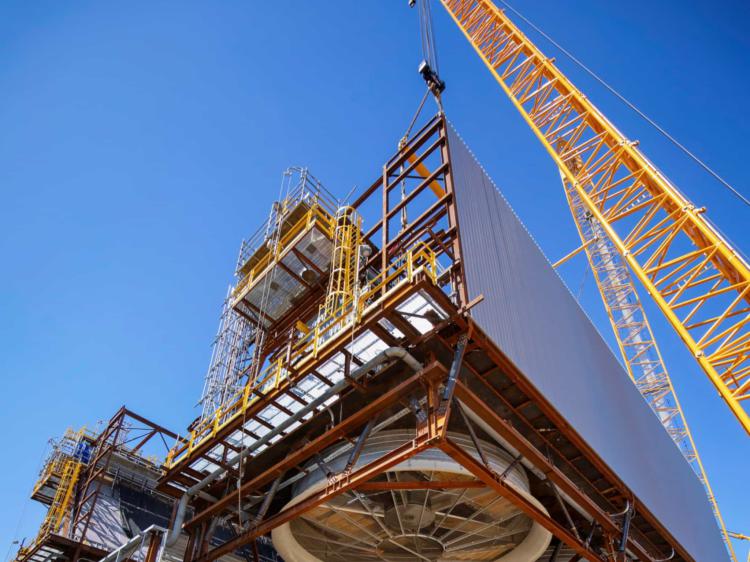
Extending APIP
APIP has been a tremendous success for attracting investment to Alberta and resolved Alberta’s structural capital cost disadvantage. While other major jurisdictions also offer combinations of incentive programs, low-cost feedstock, skilled workforces, or easy market access, the certainty provided by APIP serves as a key geographical differentiator for companies making final investment decisions. An extension of the program until 2035 would unlock an additional $11.4B in additional capital investment and operational spending from 2026 to 2035.
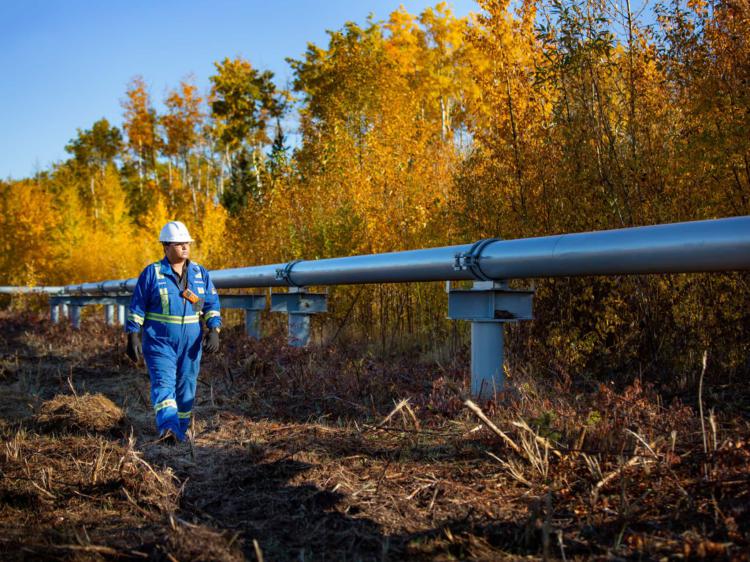
Decarbonization
New petrochemical projects will not be built without an emphasis on the energy transition. Our members support the creation and implementation of the Alberta Carbon Capture Incentive Program (ACCIP).
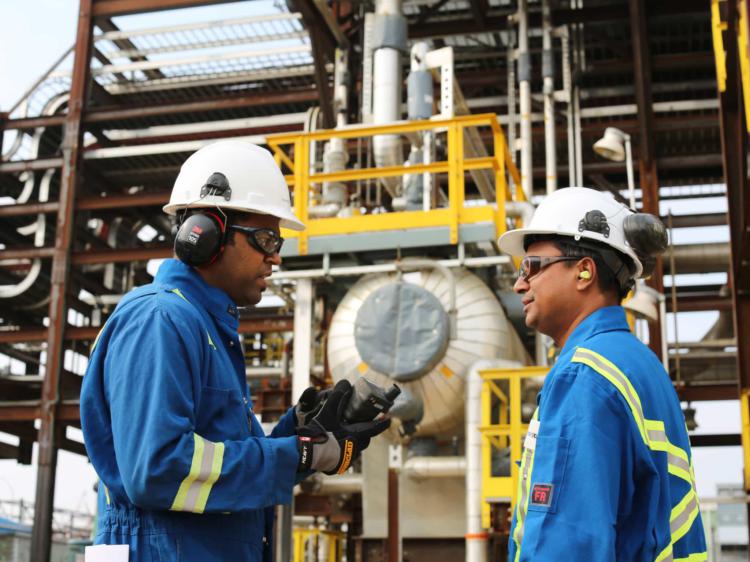
Workforce Development
Should the $21.7B of our member's projects be built, Alberta needs skilled labour available for the 42,556 direct jobs created during the construction phase and the 34,426 direct jobs created in the operational phase between 2026 and 2035. While industry, post-secondary, and labour groups have a role to play in developing our workforce, we need the government to take additional actions to enhance overall labour availability and training.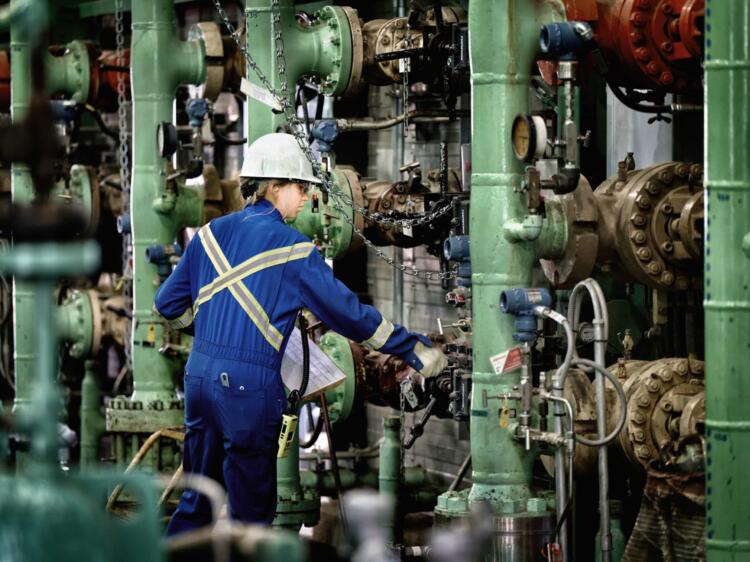
Designated Industrial Zones
The RDC is supportive of the Industrial Heartland Designated Industrial Zone (DIZ)'s intent to "establish a best-in-class regulatory framework that will help attract new investment and create good jobs for Albertans while realizing environmental outcomes", and is working with the Alberta government to ensure a smooth implementation.